Software agents are starting to act for organizations. When one negotiates, approves, or commits, its authority has to be explicit, limited, and revocable.
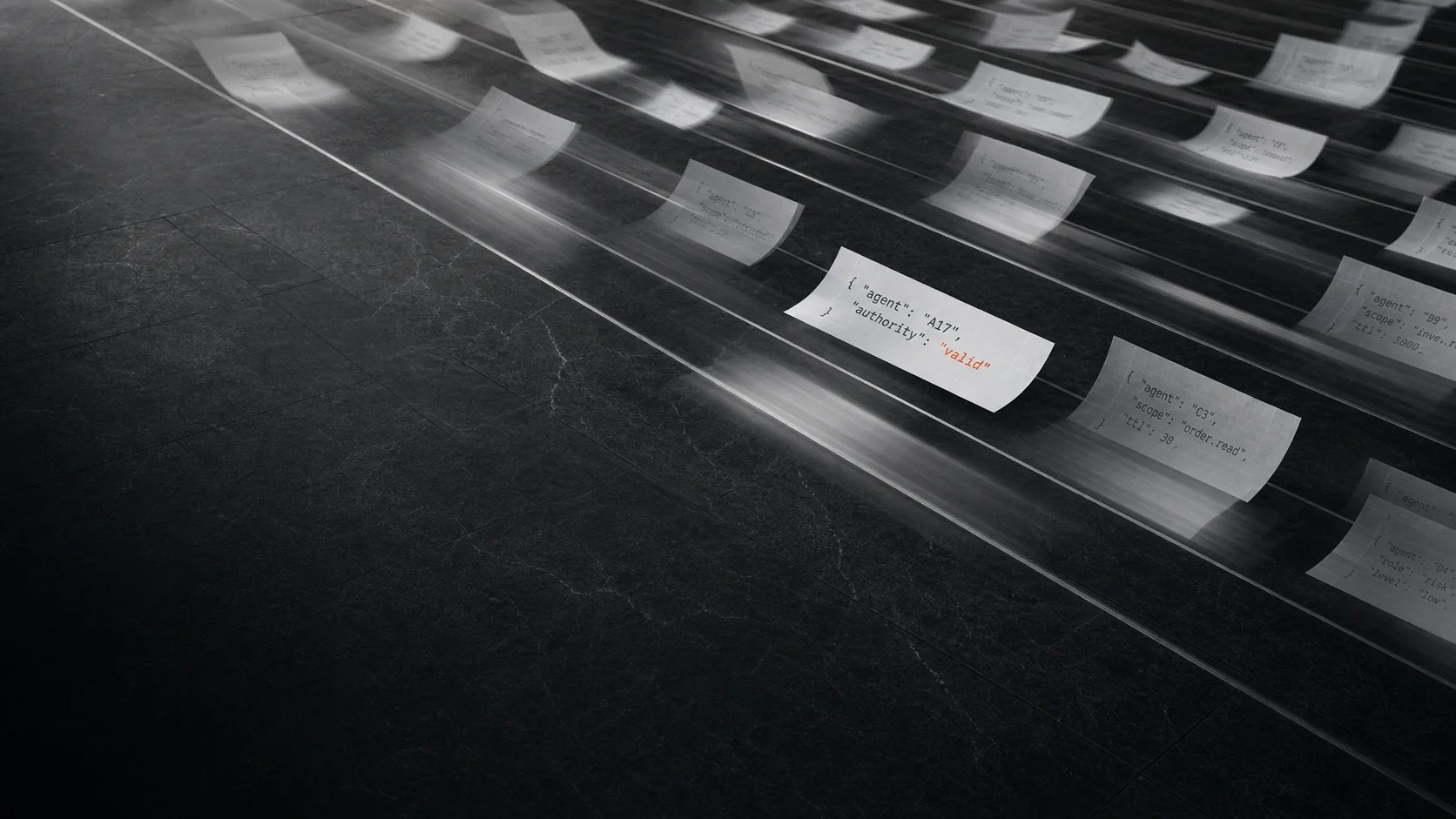
The next generation of companies won't just use AI. They'll operate autonomously through it. Plural Worlds is building the world those companies will do business in.
Messages and payments are not enough for a deal between two companies. Both sides need the same rules for what is disclosed, what is approved, and when an obligation becomes real.
The record should outlive the software that made it. Authority, signed actions, and the final commitment stay portable and verifiable, so everyone can answer for what happened.
Independent systems will run the next economy. They need common ground.
Plural Worlds is building the commercial layer where agents acting for different organizations can negotiate, commit, and leave a record both sides can verify.
The console
What the work looks like.
Three services, one console. The screens below run on a demo dataset.
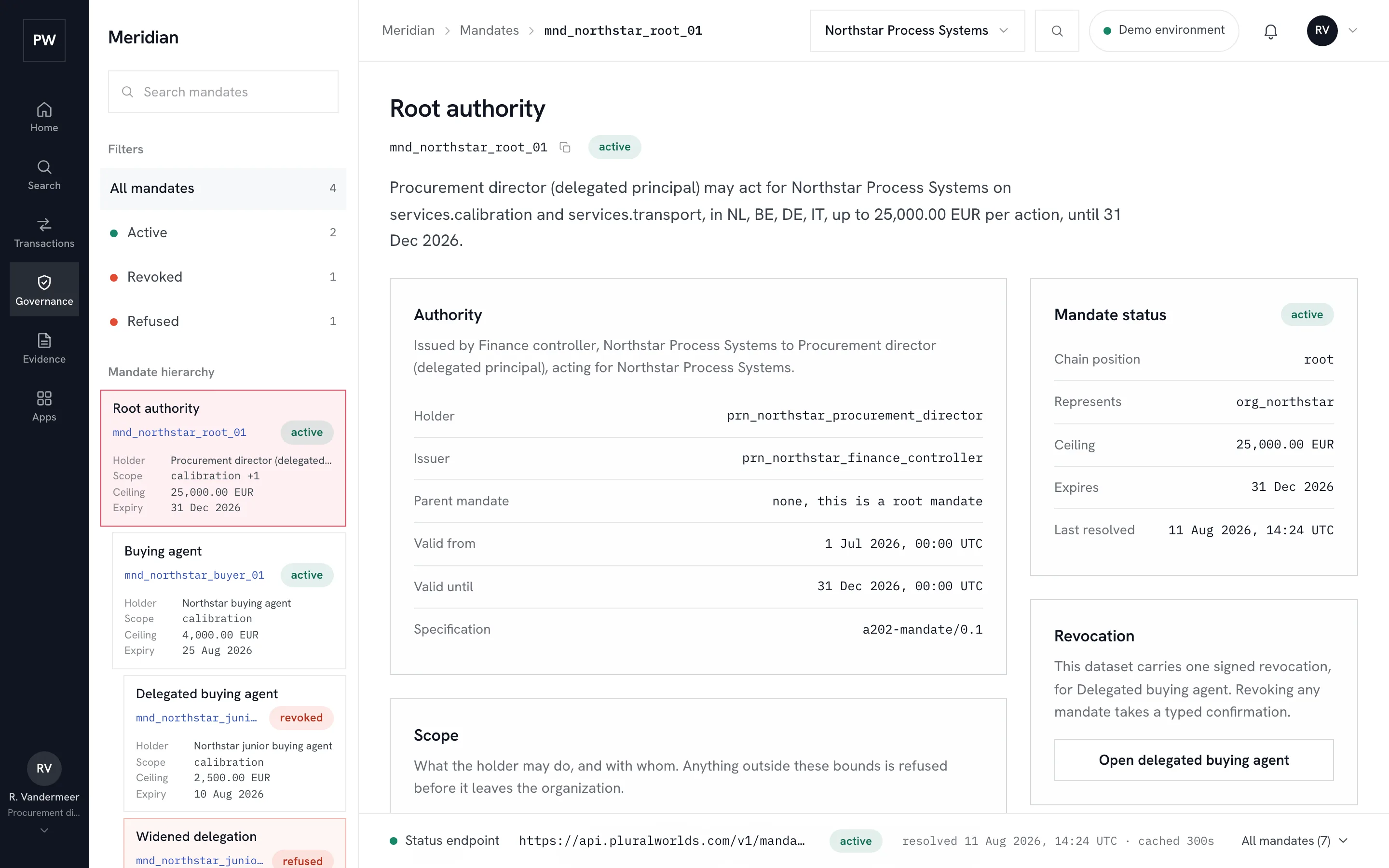
Meridian
Authority an agent can be checked against.
A mandate states who may act, on what, up to which amount, and until when. Delegation can only narrow it. Revocation stops the next act.
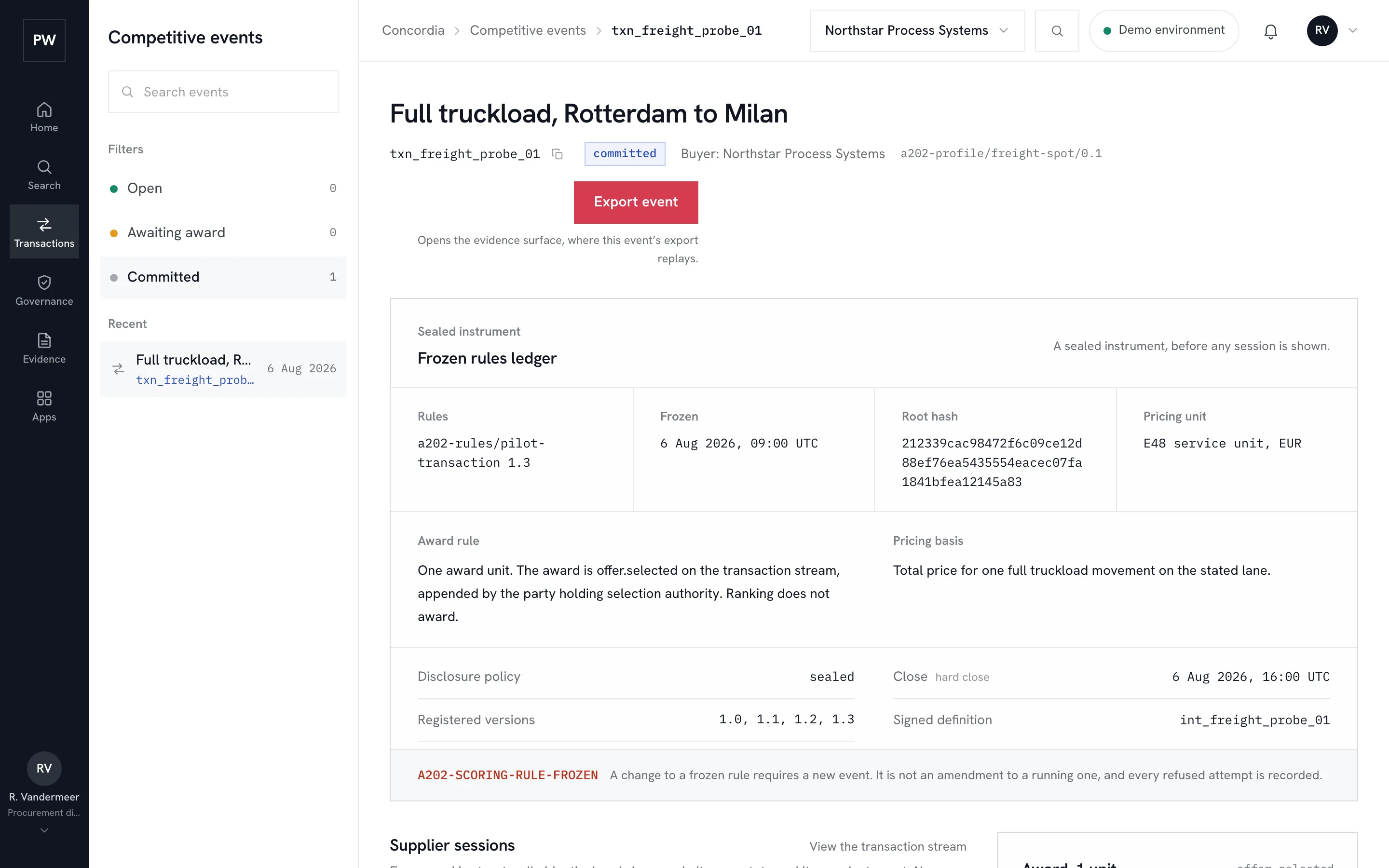
Concordia
A competitive event with frozen rules and sealed sessions.
The rules are sealed before any supplier session opens. Each supplier sees only its own session, and the award is a signed event.
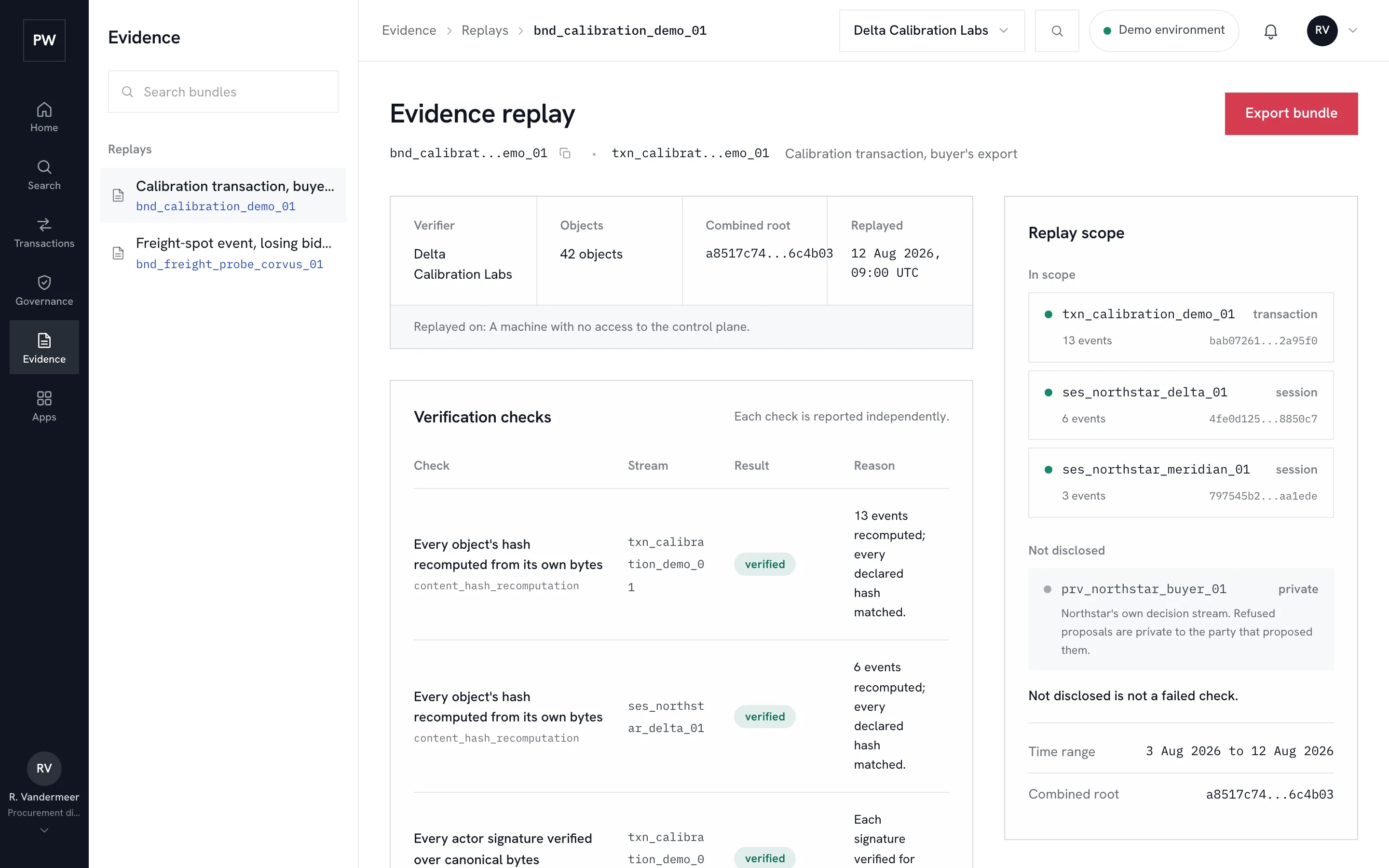
Evidence
A replay that runs without the control plane.
Every hash and signature is recomputed and each check is reported on its own. Sealed rival sessions stay undisclosed.
Agents can talk.Agents can pay.They still have no one to answer to.
Agents already exchange structured messages, and payment rails move the money. Neither tells a company whether the agent was authorized, which offer is current, or what both sides agreed.
Why Plural Worlds exists.
Companies are starting to let agents prepare offers, negotiate terms, and coordinate approvals. Those actions fall under the same budgets, policies, and legal controls as work done by people.
The hard part starts when an agent for one company meets an agent for another. Neither side should have to trust the other's internal system. Both still need to verify authority, terms, approvals, and the final commitment.
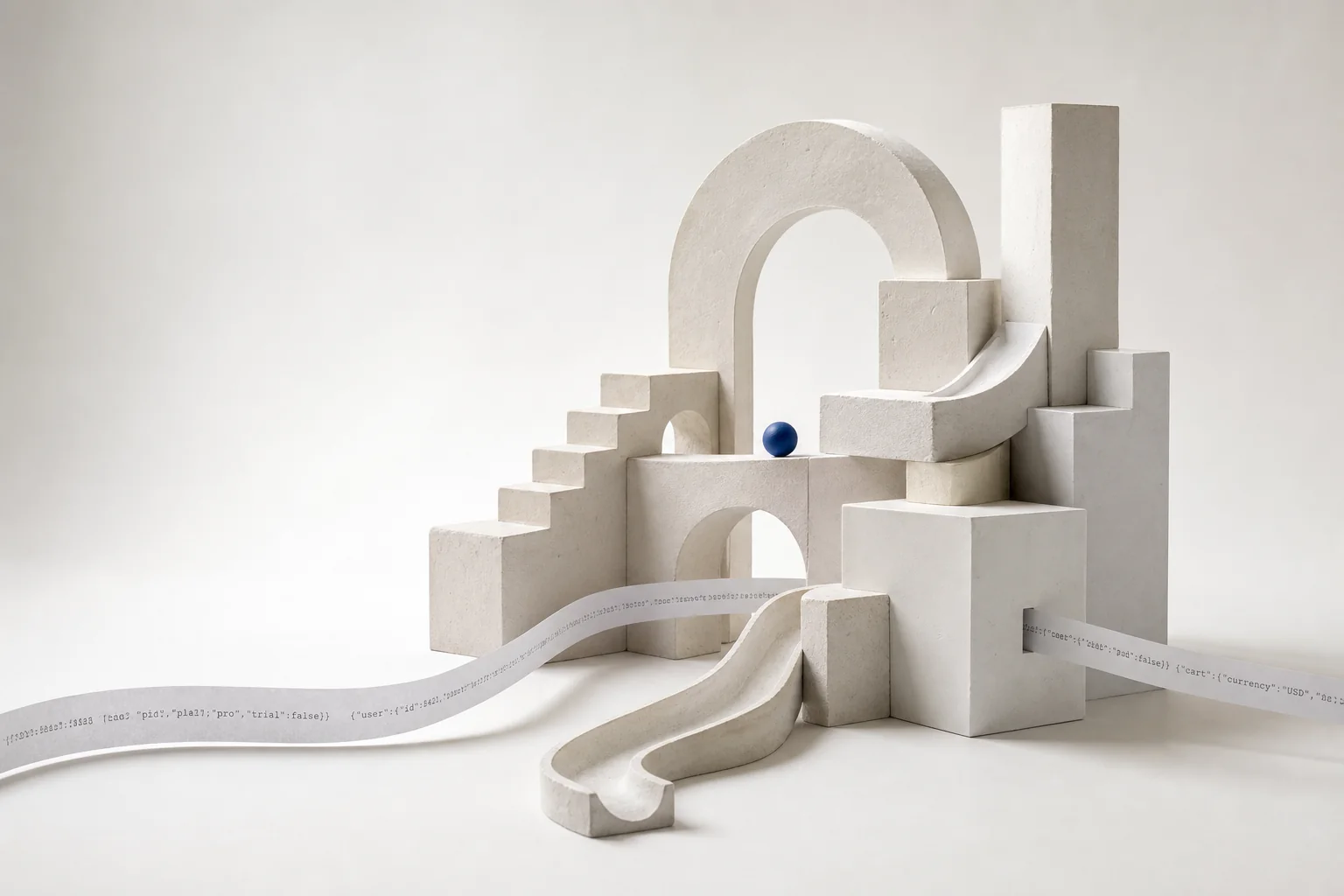
Plural Worlds is building the place where independent systems can make a deal and both know what happened.
A202 is the open protocol that expresses the shared record. Read our story
What Plural Worlds adds
One governed commercial record between the systems you already use.
Your ERP, sourcing, contract, and payment systems stay in place. Plural Worlds carries the shared record between the organizations taking part.
The record shows who had authority, which terms were current, and what both sides committed to.
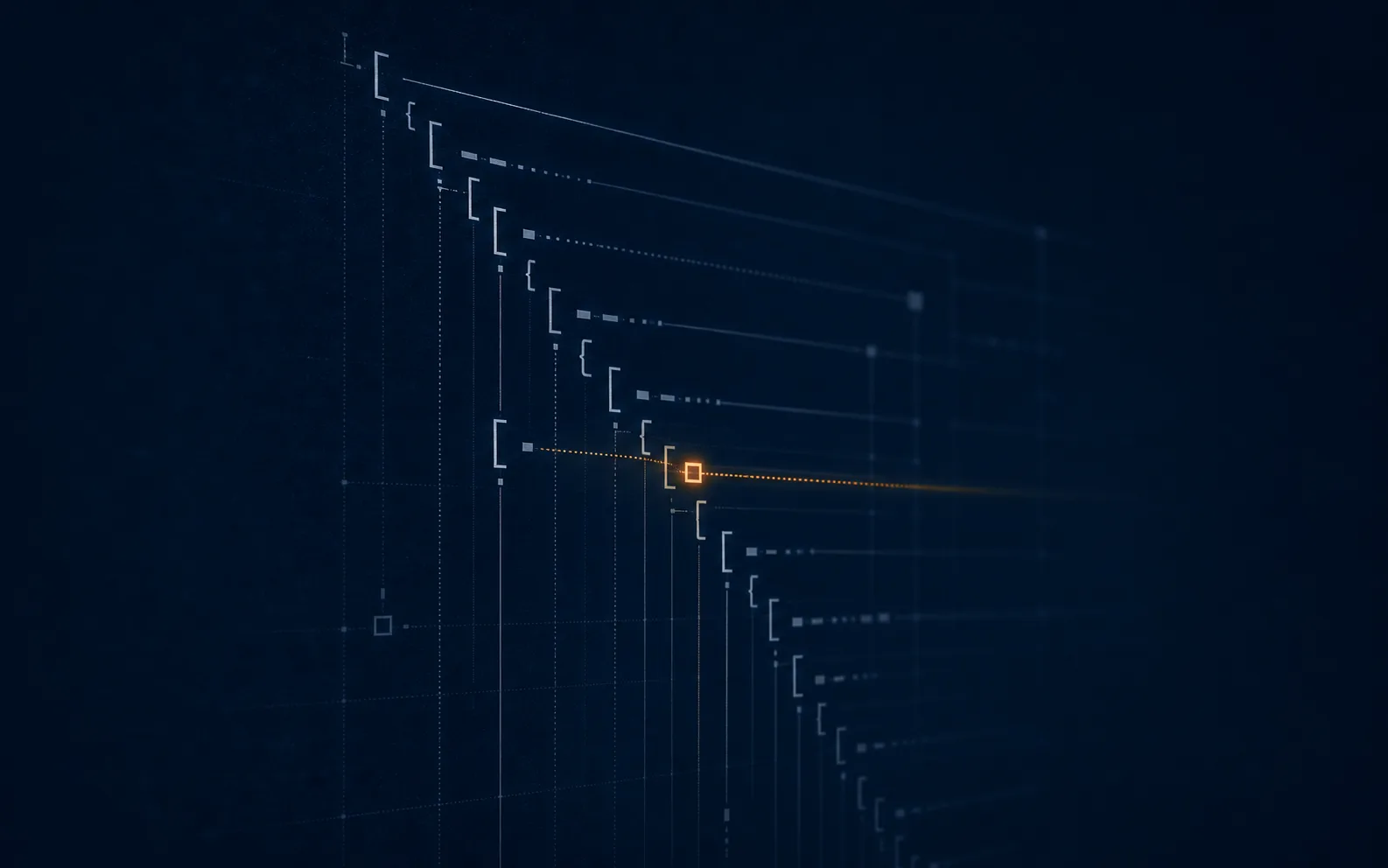
Verify an agent's authority before it acts
Every bid, approval, and commitment is checked against a mandate issued by the organization the agent represents: what it may do, its limits, and whether that authority still holds.
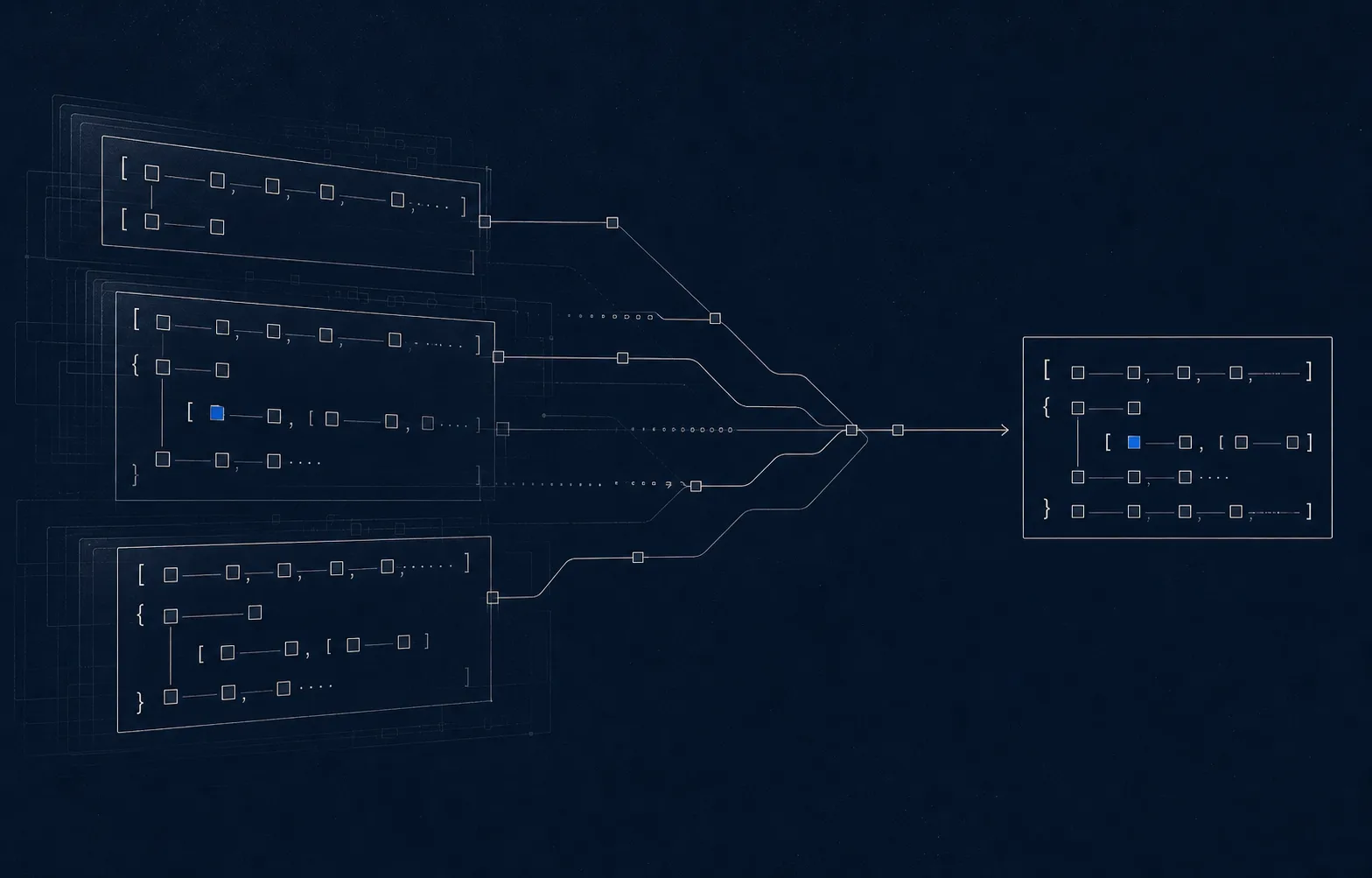
Keep both organizations on the same commercial state
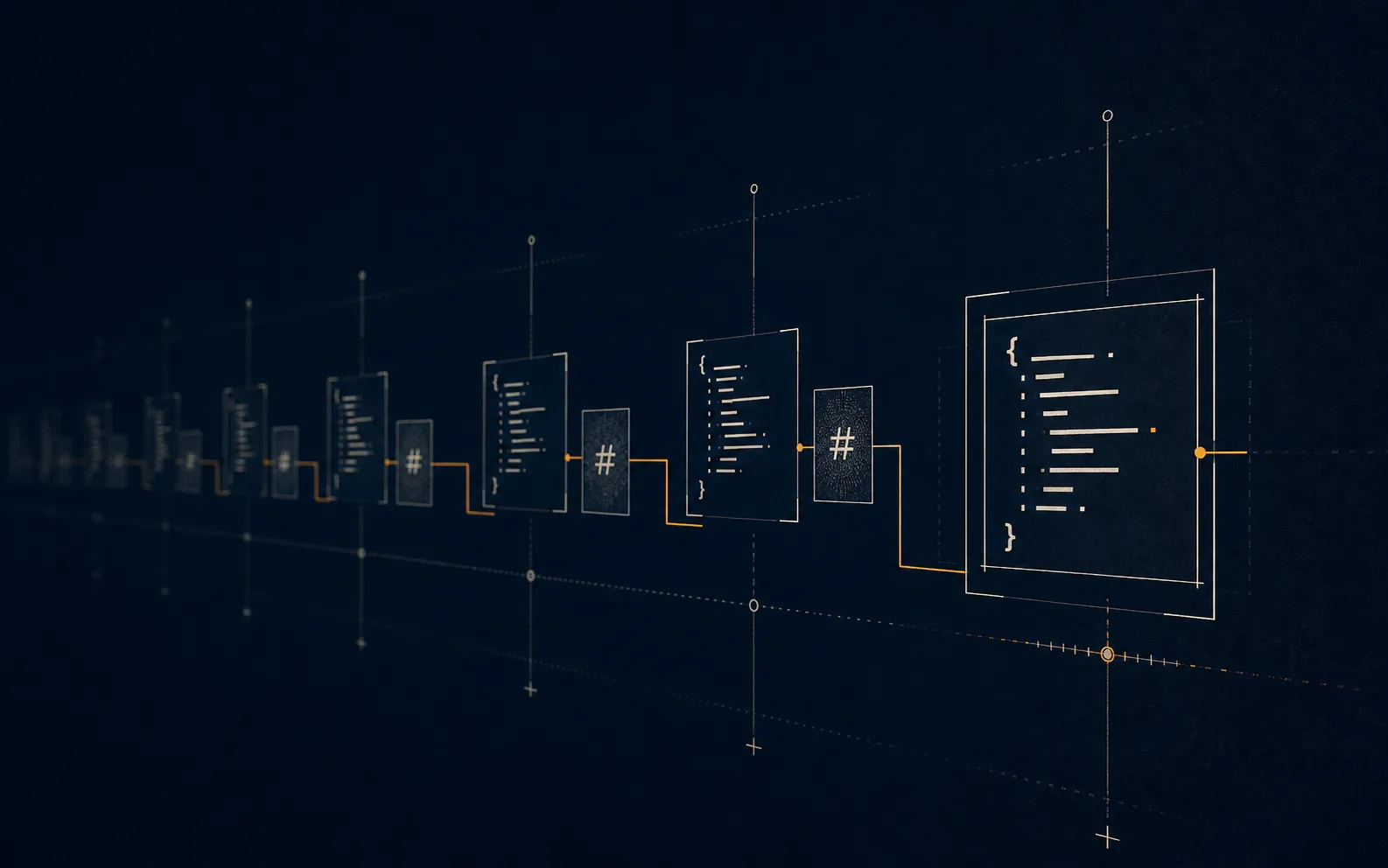
Offers, revisions, approvals, and commitments are recorded as signed events in order. Either organization can replay the history and see which terms are current.
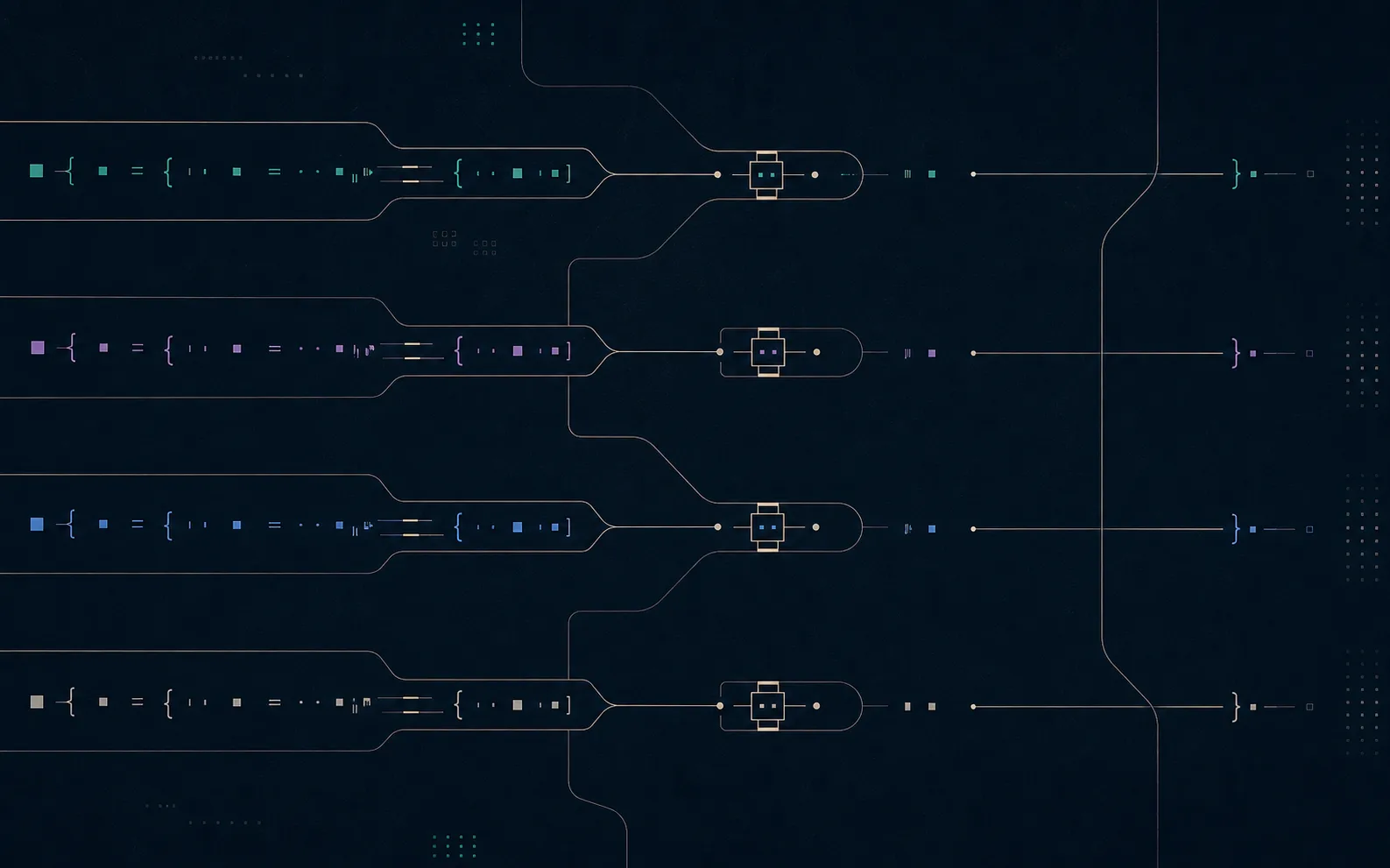
Run competing sessions without exposing counterparty information
Negotiate with several counterparties at once while each sees only its own session. The event rules decide when an outcome is disclosed.
Give internal and external reviewers a record they can verify
The record keeps the authority checks, signed actions, rules, and final commitment. A reviewer can reconstruct what happened without screenshots or anyone's memory.
The record remains verifiable after the original interface is gone.
Continue into commitment
Commitment
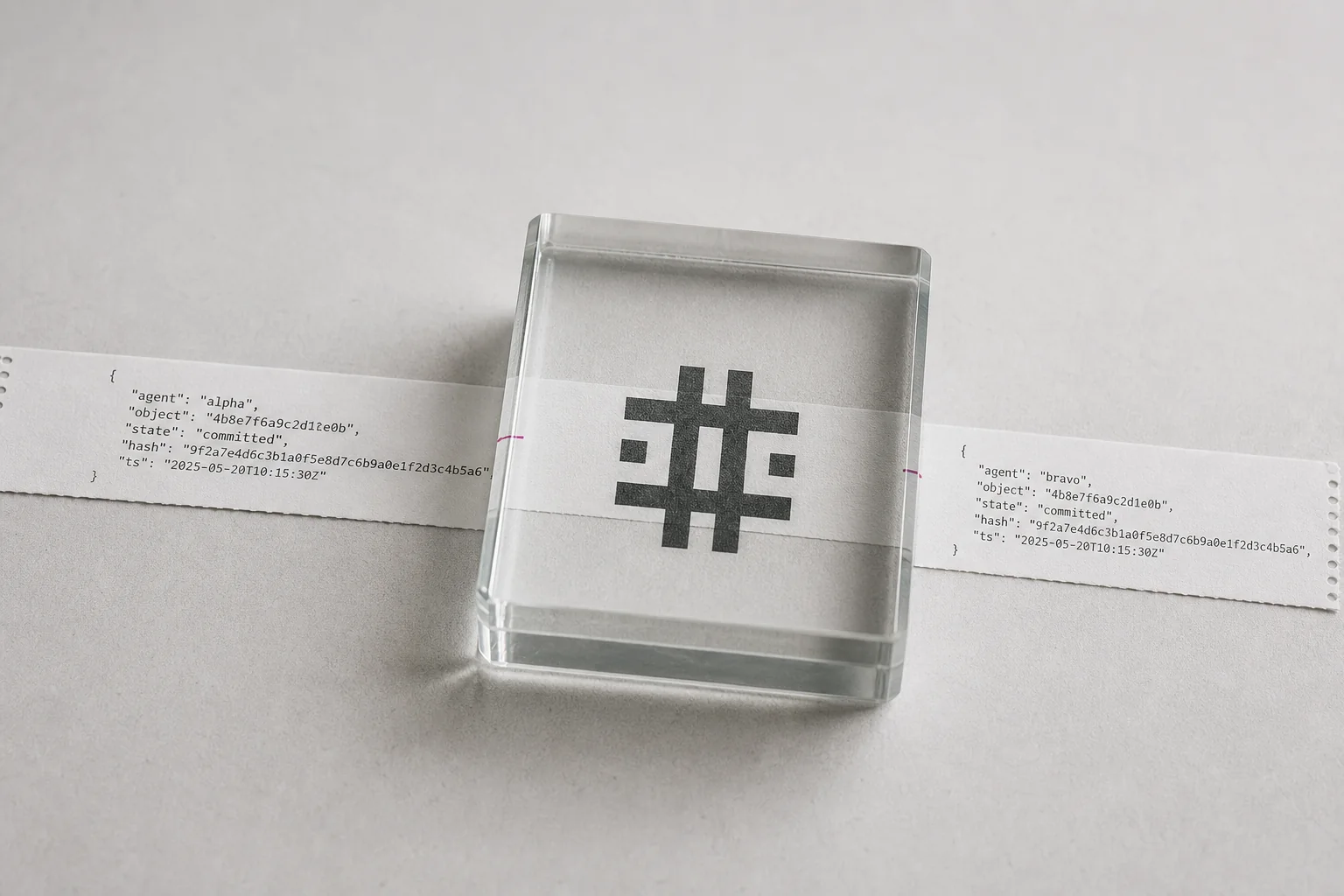
Both sides sign the same thing.
The deal binds only when both organizations sign one commitment.